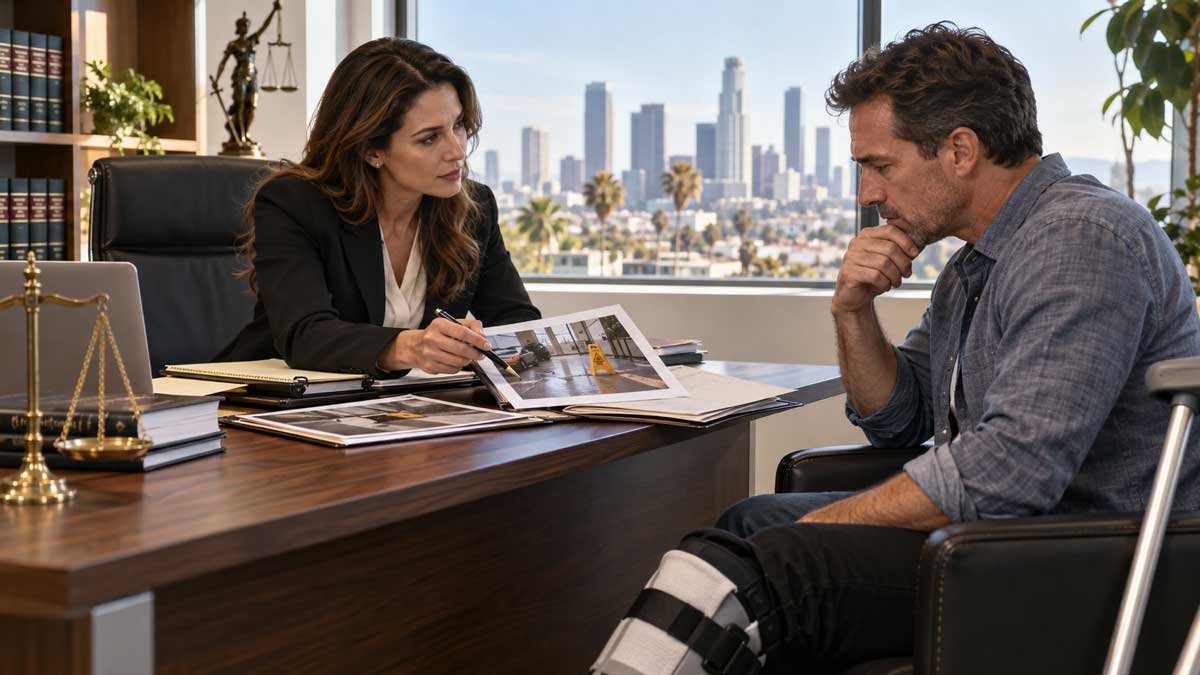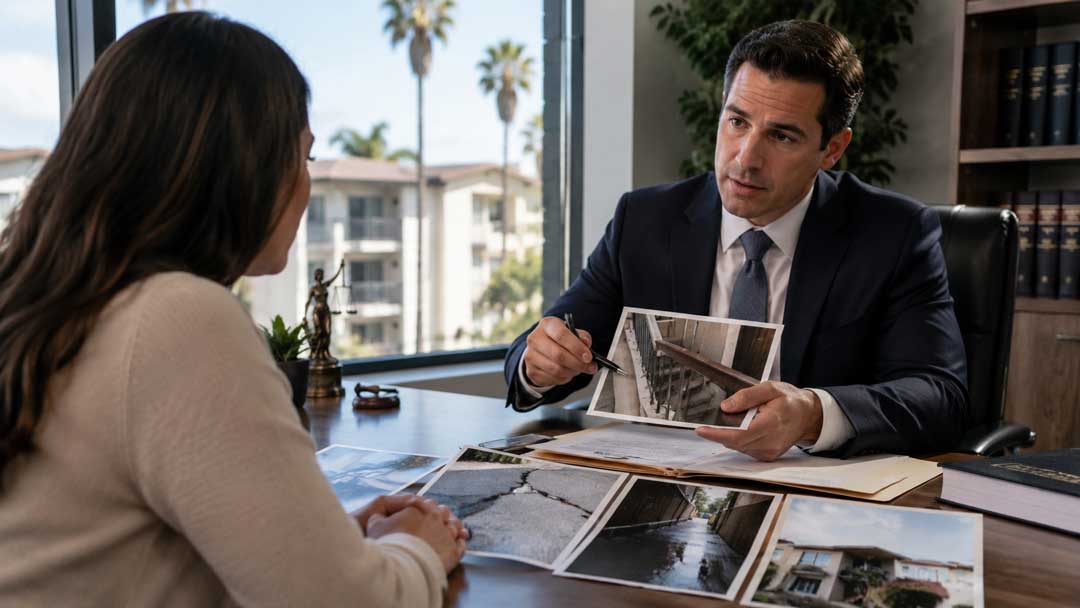

Business owners now find that their day-to-day property operations weigh heavily in liability disputes. Courts see a clear link between daily routines and whether an owner took reasonable care to prevent injuries. Regular cleaning schedules, fast responses to hazards, and active staff training can all affect these disputes. A premises liability injury lawyer will often check for proof of patterns rather than just isolated errors when building or defending claims.
Repeatedly missing these steps can support a negligence claim under California law. Los Angeles lawyers increasingly examine digital records, reports, and team logs as part of each review. Understanding operational conduct is crucial before any property injury claim moves forward.
Understanding Operational Conduct in the Context of Premises Liability
Operational conduct refers to how a property is managed each day. How companies care for, inspect, and fix hazards can directly affect your legal rights if you are injured. This area is receiving increased attention as injury claims focus more on day-to-day work than on one-off mistakes. You might think a premises liability claim just asks if a spot was unsafe. Courts often examine whether repeated business practices show a pattern of putting safety last. There is also greater focus on how staff perform daily duties, such as cleaning, making repairs, and monitoring walkways, because those practices may relate to your injury.
Even small details, such as response times to spills or how often staff check conditions, may shape the outcome. For instance, if a store repeatedly ignores wet floors, the company’s usual workflow could support a negligence claim rather than indicate a single slip-up.
These factors matter if you want help from a Premises Liability Lawyer in Los Angeles. Your lawyer’s ability to find and explain patterns in operational conduct may affect the strength of your case.
We will work tirelessly to help you recover the compensation you need to move forward with your life

How Courts Are Interpreting Operational Conduct Versus Traditional Negligence
Courts are drawing new lines between day-to-day acts and traditional principles of negligence as they decide who is at fault in premises liability cases.
- Consistent Practices Matter: Judges now often weigh how you maintain your property and conduct safety checks rather than focusing only on one-off slipups.
- Patterns of Behavior: Courts are increasingly examining repeated practices instead of looking only for a lone mistake or hazard.
- Habit Evidence: Courts use proof of routine acts or misses by staff, such as slow spill cleanup, as proof for or against negligence.
- Broader Scope of Negligence: The concept of fault has broadened to cover not just one unsafe act but also system-wide issues in property care.
- Jury Impact: Courts urge jurors to weigh whether your daily choices help prevent or contribute to injuries on your property.
We will treat you with the respect and compassion you deserve.

The Role of Daily Business Practices in Shaping Liability Claims
Daily business habits do more than shape your brand; they can affect your legal risk in premises liability claims. Courts in Los Angeles and across California examine whether you maintain safe spaces or allow avoidable injuries to occur.
- Safety Procedures and Routines: Courts now look for established schedules for checks, upkeep, and cleaning as evidence of whether you take reasonable steps to protect guests.
- When you lack clear, repeated steps to identify and fix risks, that gap may be used as evidence of fault in premises liability cases.
- Response Times for Hazards: How quickly your team responds to problems, such as spills or broken walkways, is closely examined in court.
- If your staff waits too long or fails to remove common hazards, that delay may serve as evidence of unsafe day-to-day conduct.
- Documentation of Daily Acts: How well you keep records, such as logs, completed checklists, or digital entries, shows whether safe practices are used each day.
- Courts may assess the credibility of your company’s safety claims based on how clear and reliable these records are.
Key Factors Los Angeles Lawyers Examine in Operational Conduct Cases
Los Angeles lawyers focus closely on how your business handles risks. They review whether you follow written safety steps day after day over weeks or months. Next, they review upkeep logs for consistency and gaps. Lawyers pay close attention to how you respond when new risks, such as spills or broken steps, arise. A thorough review of reports, photos, logs, and digital timestamps helps them determine whether actions match company policy.
Staff training records often receive close scrutiny to determine whether staff received appropriate guidance on daily safety. They also examine whether clear chains of command are used during high-risk times or busy events.
Lawyers also check for any history of repeated incidents that were ignored, left unaddressed, or poorly handled. They routinely ask whether video footage shows a pattern of relying on or ignoring safety procedures.
By studying these patterns, we help you see if day-to-day conduct builds or weakens your premises liability claim.
You are not just a case number – you are our top priority.

Common Operational Failures That Lead to Premises Liability Injuries
Small mistakes in daily property care can cause real harm to guests or customers. Identifying these operational failures can help reduce the risk of premises liability injuries.
- Poor hazard response means spills, clutter, or broken fixtures may remain unaddressed too long, making falls and injuries more likely. Staff must identify and address these problems promptly to prevent accidents.
- Weak inspection routines create gaps where hazards go unnoticed, allowing unsafe conditions such as uneven floors or poor lighting to remain a risk. The longer these issues persist, the greater the chance that someone could be injured unexpectedly.
- Lapses in safety training can leave team members unsure how to respond when a new risk arises. The risk of injury increases when your staff do not act promptly or follow safety procedures when it matters. The way you manage these areas each day directly affects your legal risk. Strong daily rules make a difference for both injury prevention and defense against claims.
Impact of Staff Training and Supervision on Liability Exposure
Staff training and close supervision each day play a key role in limiting liability for premises accidents. You train and supervise staff and hold them accountable, which can shape how juries and insurers view your exposure to claims.
- Effective Training Reduces Risk: When you train employees to identify and address hazards, safety practices become more consistent. Greater staff awareness often leads to prompt removal of hazards, which lowers the risk of injuries on the premises.
- Consistent Supervision Prevents Mistakes: Staff are less likely to ignore rules or take shortcuts when you conduct regular checks. Supervisors who consistently reinforce clear safety rules help prevent unsafe acts before they cause harm.
- Documented Oversight Supports Defense: Keeping clear logs of staff safety meetings, training sessions, and supervisor notes makes it easier for you to demonstrate that you took reasonable care. Clear records can provide useful evidence that a business took steps to protect guests and reduce its liability risk.
How Evidence of Operational Conduct Influences Jury Decisions
Clear evidence of daily conduct can influence how a jury views fault and duty in a premises liability claim. Jurors review training records, cleaning logs, and supervisor notes, looking for patterns of care or neglect. Small details, such as the timing of hazard checks, can matter significantly. Jurors weigh whether staff addressed safety issues in real time. The presence or absence of proper oversight often shapes how jurors view the site’s safety.
When strong records show consistent safety practices, it is easier for you to demonstrate due care. A lack of strong evidence, however, can raise doubts about whether the property owner prioritized guest safety.
Sometimes, a single clear lapse in a daily task can outweigh weeks of safe conduct. Jurors often focus more on consistent practices than isolated acts. If you seek help from a Personal Injury Lawyer or Los Angeles Car Accident Lawyer, they can use this type of proof to build your case.
Proof of daily conduct is often a key point for jurors deciding if a property owner did enough to stop harm.
Trends in California Law Affecting Operational Conduct Claims
How jurors evaluate day-to-day conduct has shaped new strategies for proving or defending these claims in California. Recent trends guide how courts, lawyers, and claims adjusters evaluate evidence of business care or neglect.
- Heightened focus on documentation: California law increasingly emphasizes clear records of day-to-day business activities. Courts give more weight to safety logs, staff checklists, and camera footage than to witness testimony alone. You should preserve and organize these files to defend against a liability claim.
- Broader scope for liability: Recent trends show that courts look beyond individual events and focus more on ongoing safety practices on the property. Courts increasingly examine whether a business had a pattern of poor oversight or repeatedly missed steps that led to harm. Isolated mistakes receive less weight than evidence of a pattern of putting guests at risk.
- Greater scrutiny of corrective steps: When hazards occur, California courts examine whether the business took prompt, well-documented corrective action. If your staff address risks promptly and you keep clear records, those actions can support a finding of reasonable care in court. Delayed or undocumented actions may increase liability exposure, especially when logs or video provide clear evidence.
Proving Operational Negligence: What Injury Victims Need to Know
To prove day-to-day negligence in a premises liability claim, you need clear and specific evidence from the site. Records of daily cleaning schedules, check logs, and camera video often hold key facts.The evidence should show what was done, when it was done, and who did it. You should focus on repeat patterns or missed hazard checks by staff, not just one-off mistakes. If you can show that staff repeatedly missed the same safety step, that evidence can carry significant weight.
Courts in Los Angeles may view habits and business routines as stronger evidence than witness memories. Is it enough to point out just one forgotten mop-up or slow fix? No, because the issue is whether these lapses were the usual way things were done rather than a rare slip. Working with a Personal Injury Lawyer at Venerable Injury Law can help you organize, preserve, and explain these records. The right evidence can show that the business failed to follow safe procedures and caused your injury.
Close attention to operational conduct now stands at the heart of premises liability claims across California. Courts review not just individual mistakes but also the repeated, daily choices property owners make.
Strong evidence, like logs, training records, and video, carries more weight than simple accounts from witnesses. Habits may matter more to jurors than one-off oversights, especially in Los Angeles. This approach means business owners must focus on the details of care, not just broad safety goals. Lawyers search for proof of steady, safe routines or, if missing, patterns showing neglect. If you are hurt, our Personal Injury Lawyer team works to collect and explain this type of evidence. We know a single report is less convincing to courts than a routine seen week after week.
These trends require property owners to train and oversee staff more consistently. Legal outcomes rest on documented, daily practices rather than rare errors. Venerable Injury Law stands ready to guide you through every step of your premises liability case.
We believe that our experience, dedication, and personalized approach set us apart from the rest.