
Slip and fall accidents in California often leave people with more questions than answers about their rights and compensation. Many believe that proving a property owner’s fault guarantees a full recovery, but the law takes a more detailed approach.
California’s pure comparative fault doctrine means any degree of responsibility assigned to the injured party can reduce the total damages awarded by that percentage. Even a small share of blame can have an impact on the final outcome.
At Venerable Injury Law, we help clients understand how their own actions, choices, and documentation after an accident can affect compensation and what steps a premises liability lawyer in Los Angeles can take to support a fair result.
Understanding Pure Comparative Fault in California Slip and Fall Cases
California’s pure comparative fault rule gives people injured in slip and fall cases an opportunity to recover damages even if they share some responsibility for what happened. Established by the California Supreme Court in Li v. Yellow Cab Co. (1975), this doctrine assigns each party a percentage of fault, including the injured person, and reduces the damages awarded based on that share.
For instance, if a court finds the injured party 25% responsible for their fall, the final award will be reduced by 25%, so a $100,000 award becomes $75,000. Even when someone is mostly at fault, they may still recover some compensation for their losses, depending on the circumstances and evidence presented.
This approach means that shared responsibility does not automatically eliminate the right to seek recovery after a serious accident.
A few practical points help clarify how pure comparative fault works in California. Unlike some states that prevent recovery when responsibility exceeds a certain percentage, California’s system allows injured parties to pursue partial recovery even when they carry most of the blame. This makes it crucial to understand how fault may be divided, since every percentage point can affect the final amount recovered.
For those needing guidance with fault allocation, a premises liability lawyer in Los Angeles from Venerable Injury Law can explain how California law applies to the circumstances of an individual case and help ensure that relevant evidence is properly considered.
We will work tirelessly to help you recover the compensation you need to move forward with your life

How Your Own Actions May Lead to Shared Fault After an Accident
There are several ways that someone’s own actions before or during a slip and fall accident might contribute to shared fault and a reduced compensation award.
Insurance companies may try to assign a higher percentage of fault to the injured party by arguing that certain actions contributed to the accident or worsened the resulting injuries. Under California law, the amount recovered is reduced by the percentage of fault assigned to the injured person, but recovery is not automatically eliminated. For example, if evidence establishes that the injured person was 20% responsible, the total damages awarded will be reduced by 20%, including applicable losses such as medical bills and pain and suffering.
Actions that may contribute to shared fault include ignoring posted warnings, not paying attention to surroundings, or failing to avoid hazards that a reasonable person would have noticed under the circumstances. Evidence of careless behavior may support an argument that some responsibility should be assigned to the injured person, potentially reducing the compensation awarded.
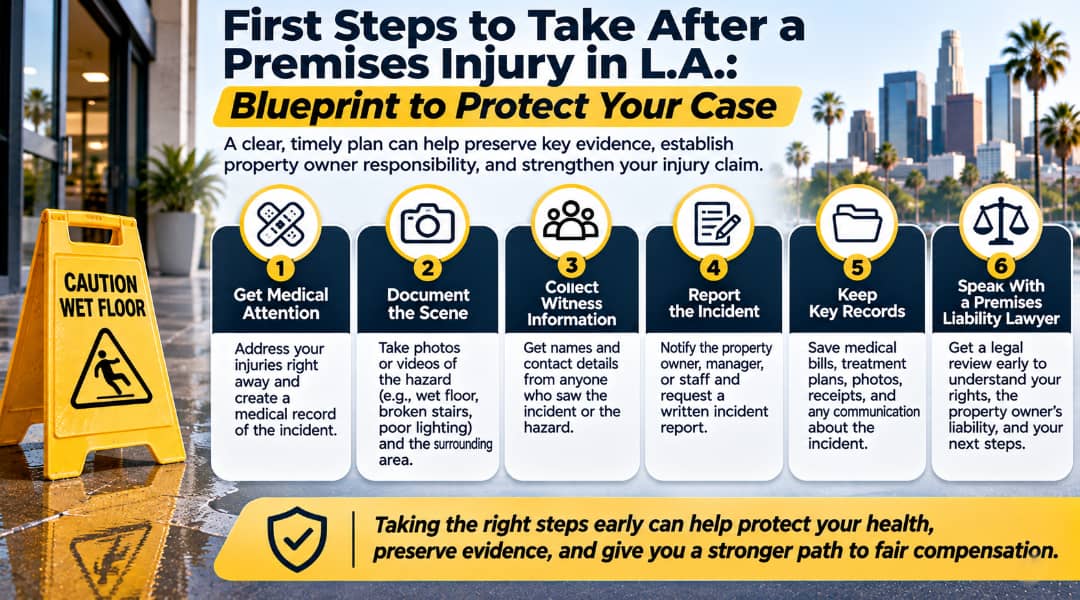
Careful documentation of what happened and prompt reporting of the injury can help address disputes about fault. Taking photos, preserving footwear or clothing, and gathering witness details may make it easier to establish that the circumstances of the accident were not entirely within the injured person’s control.
We will treat you with the respect and compassion you deserve.

Examples of Behaviors That Can Reduce Your Compensation
Many different actions before or during a slip and fall can influence a compensation award under California’s comparative fault rules.
Moving too quickly or not watching where one is walking may be presented as evidence of shared fault. Insurance adjusters might argue that someone could have avoided the accident by paying closer attention. However, courts and juries consider the available evidence and circumstances when determining whether that conduct contributed to the incident.
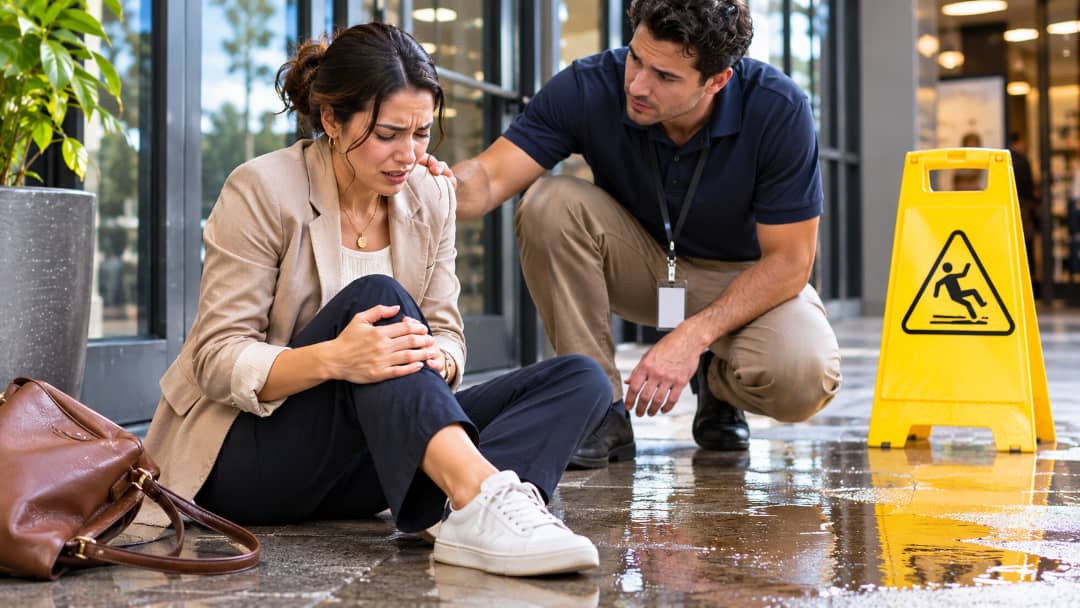
Wearing footwear that may be unsuitable for the environment, such as smooth-soled shoes on a wet floor, can support an argument that the injured person contributed to the accident. Whether this affects fault depends on the conditions, the footwear, and the other circumstances surrounding the fall.
Failing to report the hazard or incident promptly can create challenges when establishing what happened. Delayed reporting may lead to questions about the timing, circumstances, or severity of the injury, making contemporaneous documentation particularly important.
Using a cell phone, listening to music, or otherwise being distracted can be raised as a factor when assigning fault. Distraction may contribute to missed warnings or hazards that could otherwise have been noticed, although its significance depends on the evidence.
There are cases where acting in a way that disregards visible warning signs, such as walking past cones or taped-off areas, can weigh against the injured party. These details, when documented, may influence how responsibility is divided and the final compensation amount.
Why Ignoring Warning Signs May Hurt Your Slip and Fall Case
Ignoring posted warning signs, such as cones or caution tape, can have an impact on a slip and fall claim in California. Under the pure comparative fault system, courts consider how both the property owner and the injured party acted before the fall.
If someone is found partially responsible for an accident because they disregarded visible warnings or barriers, their compensation may be reduced by the percentage of fault assigned. However, the presence of warning signs does not automatically establish that the injured person was responsible. The visibility, placement, and relevance of the warnings must also be considered.
For example, if a judge or jury decides the injured party is 30% at fault for not heeding clearly visible warnings, the final award will be reduced by 30%. This means that even when there is evidence of a property hazard, ignoring obvious signs may lead to less compensation.
Several factors come into play when assessing why warning signs were missed or ignored, and courts will weigh each detail. Was the signage visible and clear? Did distractions or poor lighting contribute? Were the signs positioned in a way that gave visitors a reasonable opportunity to notice and respond to the hazard?
Even when partial fault is assigned, recovery may still be possible, but the amount will be reduced by the determined percentage. This makes it important for claimants to document the scene, take photos of warning signs, and note any conditions that may have affected their ability to see or avoid hazards.
Taking these steps can help establish the circumstances surrounding the accident and support a fair assessment of responsibility.
You are not just a case number – you are our top priority.

Impact of Cell Phone Use or Distraction on Fault Allocation
Distraction from cell phone use or divided attention can play a role in how fault is assigned after a slip and fall.
California’s pure comparative fault system allows courts and juries to weigh the actions of all parties involved, and being distracted by a phone may reduce compensation if the distraction contributed to the accident. Each party’s degree of responsibility is considered, and any fault assigned to the injured person reduces the final award accordingly.
A person looking at a phone instead of the walkway could be found partially at fault for failing to watch for hazards. The court will consider whether this distracted behavior contributed to missing a warning or tripping over something that might have been noticed with greater attention.
Evidence such as surveillance footage or witness statements may show whether cell phone use played a part in the accident. This information can affect how much responsibility is assigned to the injured person, which in turn influences the damages awarded.
If distraction is raised as an issue, insurance companies or opposing counsel may argue for a higher percentage of fault. That argument can directly affect the amount recovered, since any fault assigned to the injured party is deducted from the damages awarded.
Understanding how distraction may influence fault allocation helps claimants make informed decisions about evidence and testimony. Providing accurate accounts of events and preserving available evidence may help establish what actually happened and support a fairer assessment of responsibility.
How Intoxication Is Weighed in Premises Liability Claims
Many people wonder how being intoxicated will affect fault and compensation after a slip and fall in California.
Intoxication as a factor: If alcohol or drug use played a role in the accident, it may contribute to a finding of shared fault. The court will consider whether the person’s condition affected their conduct and contributed to the fall. Any damages awarded may then be reduced by the percentage of fault assigned.
California’s approach: Pure comparative fault in California allows injured people to seek damages even if they were under the influence, provided the legal requirements for the claim are met. Their share of responsibility may reduce the amount recovered. There is no automatic bar to recovery based solely on intoxication, but the reduction can be significant depending on the evidence.
Proving the role of intoxication: Evidence such as witness statements, relevant medical records, or surveillance footage may be used to assess whether intoxication contributed to the fall. The property owner’s legal representatives may use this information to argue that the injured person bears a greater share of responsibility.
Steps to protect a claim: Documenting the scene, preserving independent witness accounts, and providing accurate evidence about conduct before the fall can help address allegations that intoxication was the primary cause. Careful documentation can support a more complete and fair assessment of fault.
What California Juries Consider When Assigning Fault Percentages
California juries consider several factors when assigning fault percentages in slip and fall cases. Under the pure comparative fault system, each party’s actions are weighed to determine responsibility, and the injured person’s compensation is then reduced by their share of fault.
Even if one side is mostly responsible, any degree of fault assigned to the injured party can reduce the total recovery by that percentage. For example, if a jury finds that distraction or ignoring a warning sign contributed to the fall, that behavior may directly affect the final compensation awarded.
The process is not just about who caused the accident but also about how each party’s choices played a role in the outcome.
The practical implication for anyone involved in a premises liability claim is that every percentage point of fault can mean a significant reduction in damages. Even a 20% shift in responsibility could represent a substantial difference in the amount recovered on a significant claim.
This makes it important to document actions, avoid distractions where possible, and gather evidence that supports a fair allocation of responsibility. Juries look closely at the available information to decide how fault should be divided, so careful preparation and clear evidence are essential for a fair result.
The Role of Jury Instructions in Determining Comparative Fault
Jury instructions are central to how fault is divided, and compensation is calculated after a slip and fall in California.
California’s pure comparative fault rule means juries may be instructed to assign each party a percentage of responsibility, and any compensation awarded to the injured person is reduced by their share of fault. This system allows injured people to recover damages even if they are partly responsible for the incident.
By contrast, some states use modified comparative negligence systems that restrict or bar recovery when an injured person reaches a specified percentage of fault. California juries, however, can award damages even if the injured party carries most of the responsibility, provided the claim otherwise meets the legal requirements.
The practical effect is that California jurors must carefully weigh all relevant actions and evidence to divide fault, and their decisions directly affect the final award. This process makes the applicable jury instructions, as well as the evidence presented about each party’s conduct, critical to a fair result.
Ways a Defense Lawyer May Argue You Share Responsibility
Defense lawyers in California slip and fall cases may use several arguments to show that the injured person shares responsibility. A common approach is to highlight actions or decisions that suggest the plaintiff did not exercise reasonable care for their own safety.
For example, the defense may point to evidence that the individual was distracted, ignored posted warnings, or failed to avoid a visible hazard. The greater the percentage of fault assigned to the injured party, the less compensation they may recover for their losses.
This means defense attorneys may work to establish that a greater share of responsibility belongs to the injured person, since each percentage point matters under California’s pure comparative fault system.
Consider how these strategies play out in court. Defense lawyers may emphasize that a plaintiff’s use of a cell phone, unsuitable footwear, or hurried movement contributed to the fall, aiming to show that responsibility should be divided.
California’s approach allows for damages even when someone is mostly at fault, but disputes over shared responsibility can make the process complex. If the defense succeeds in convincing a jury that the plaintiff was, for example, 40% at fault, their compensation will be reduced by that same percentage.
This makes it important for plaintiffs to present clear evidence of their actions and to address any claims that their own conduct was the main cause of the accident.
California’s pure comparative fault rule means compensation is reduced by the percentage of fault assigned to the injured person. Ignoring warning signs, using a cell phone, moving carelessly, or being intoxicated before a slip and fall may contribute to a higher share of responsibility, depending on the circumstances.
Juries look at all relevant actions and evidence, and even partial fault reduces the amount recovered. Clear documentation, witness details, and prompt reporting help support a fairer fault allocation.
Venerable Injury Law guides clients through these steps, ensuring relevant facts are considered when evaluating a premises liability claim.
We believe that our experience, dedication, and personalized approach set us apart from the rest.